
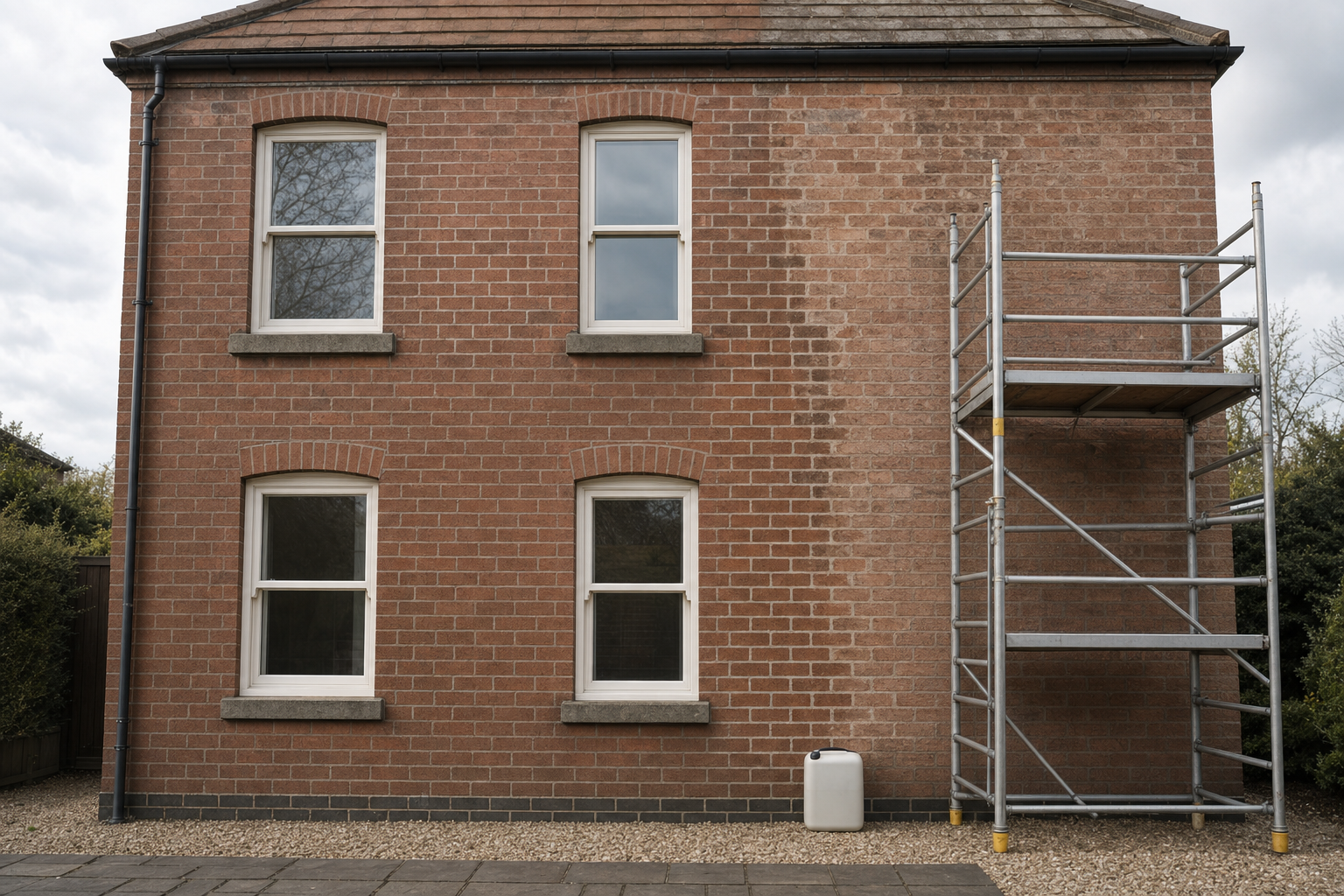
Why preparation comes before any treatment
Treats causes, not guesswork
We look for open joints, porous areas and brick defects before waterproofing is applied.
Compatible wall protection
Breathable products are chosen to suit the wall material and its level of exposure.
Good prep for better results
Cleaning, drying and even application all matter if the treatment is going to perform well.
Waterproofing works best once the wall faults are found
If water is getting into masonry, the first question is not which treatment to spray on it. The real question is how the moisture is getting in. Porous surfaces, cracked joints and local brickwork defects can all play a part, and if those are ignored the coating often gets blamed for a problem it never had a fair chance to solve. We trace the likely route of moisture through the masonry, then deal with repairs and repointing where they are needed before waterproofing is considered. With Brookes Brick and Point Ltd, waterproofing is part of a sensible sequence, not a magic trick. The aim is to prepare the wall properly so any protective treatment is working with sound masonry instead of being asked to cover up avoidable defects.
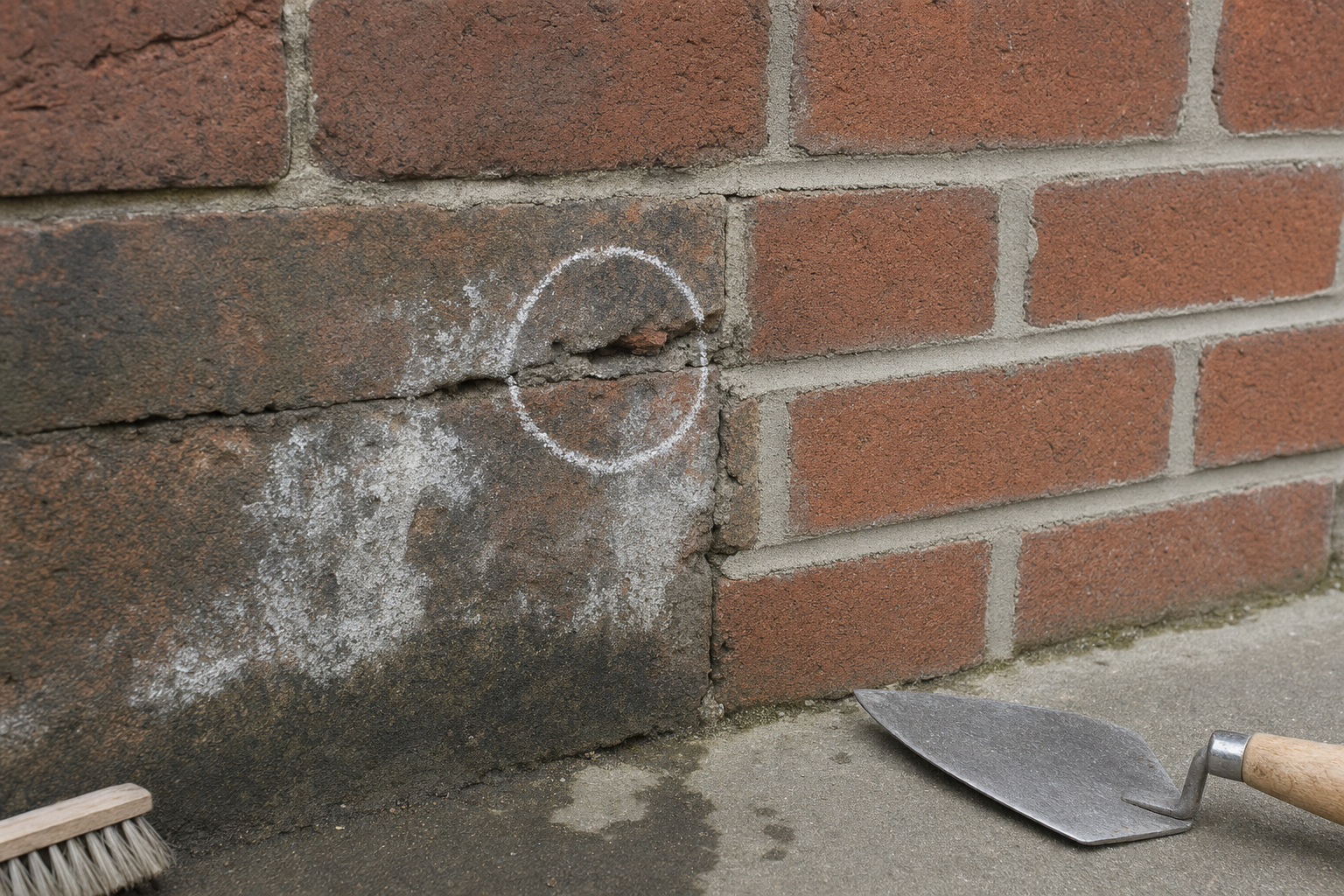
The right treatment must suit the wall beneath it
Once the masonry is sound and clean enough, we choose a masonry-compatible, breathable protection according to the wall material, condition and level of exposure. Application also matters. The surface needs to be thoroughly cleaned, suitably dry and evenly treated so the protection can perform as intended. A waterproofing job from Brookes Brick and Point Ltd includes guidance on curing and the need for ongoing inspection, because walls still need watching even after treatment. The point is to help reduce water uptake while letting the masonry behave properly, not to trap moisture behind a hard, shiny answer to the wrong question.
Frequently asked questions
Can waterproofing solve a damp wall on its own?
Not if the wall has open joints, cracked bricks or other defects that are still letting water in. Waterproofing works best after the masonry has been checked and repaired where needed. We look at the likely moisture route first so the treatment is not being asked to fix the wrong problem.
Do walls need repointing or repairs before treatment?
Quite often, yes. Failed mortar and defective brickwork can let water get behind any protective treatment, which weakens the result. We assess the condition of the masonry first and explain if repairs or repointing should be done as part of the preparation before waterproofing is applied.
Will waterproofing stop the wall from breathing?
That depends on the product and whether it suits the wall. We look for masonry-compatible, breathable protection rather than applying something too hard or sealing. The aim is to reduce water ingress while allowing the wall to handle moisture in a more natural way.