
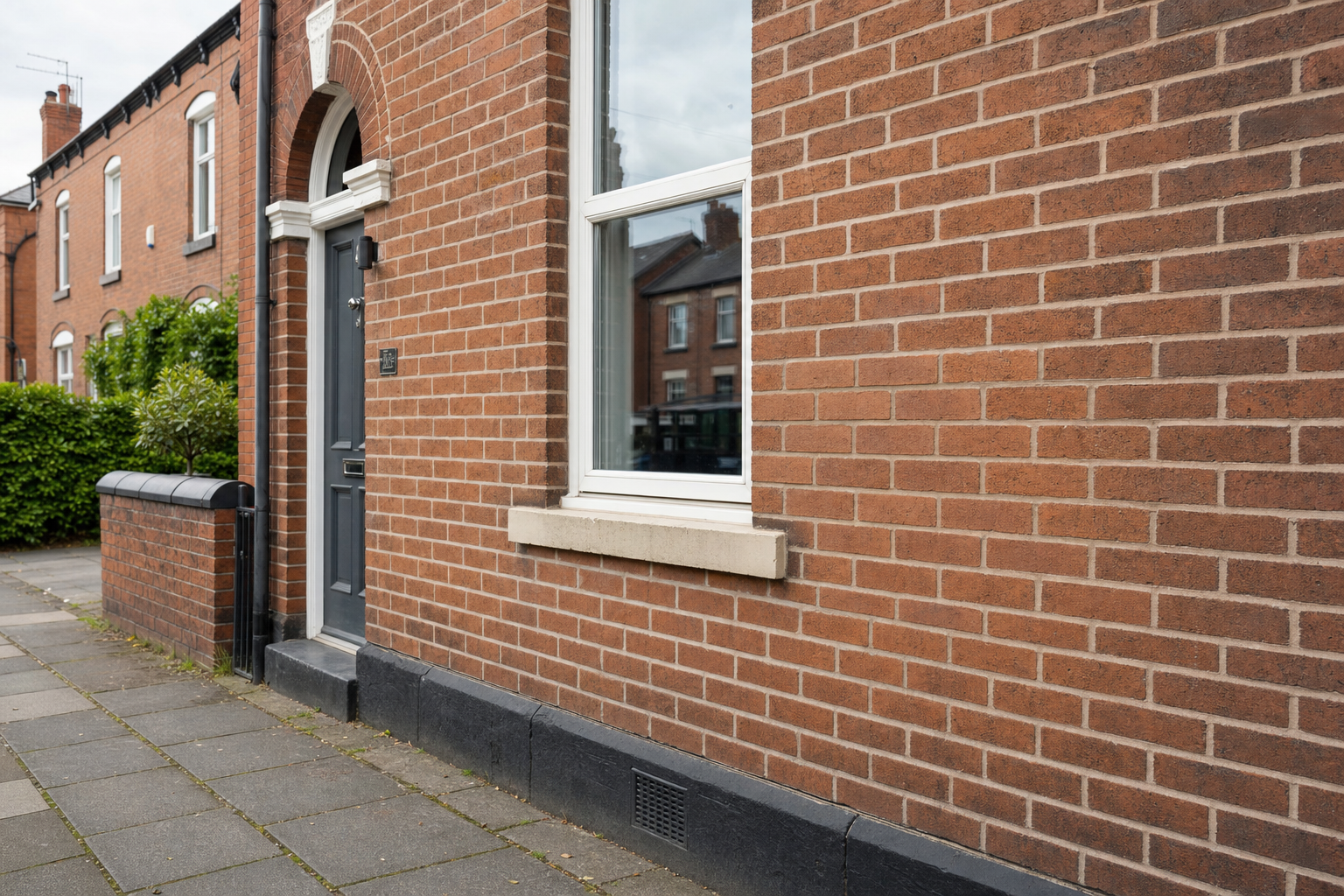
What a good local brick repair should achieve
Keep sound masonry in place
We retain stable surrounding brickwork wherever it makes sense, rather than replacing too much.
Restore the wall properly
Repairs are shaped around weather resistance, stability and the way the masonry bonds together.
Blend with adjoining areas
We make good damaged sections so the finished repair sits naturally with the wall.
Not every damaged wall needs wholesale rebuilding
Brickwork can fail in small but stubborn ways. Faces spall off after frost, corners get knocked, joints erode, courses loosen, and local sections begin to look tired or unstable. The first step is to assess how far the problem really goes and keep as much sound surrounding masonry as practical. We do not rip out good brickwork for the sake of it. With Brookes Brick and Point Ltd, repairs are matched to the defect, whether that means renewing defective mortar, rebuilding an isolated section or making good around an opening or wall edge. The aim is to restore the weather resistance of the wall, keep the bond pattern stable and leave a finish that sits properly with the adjoining masonry.
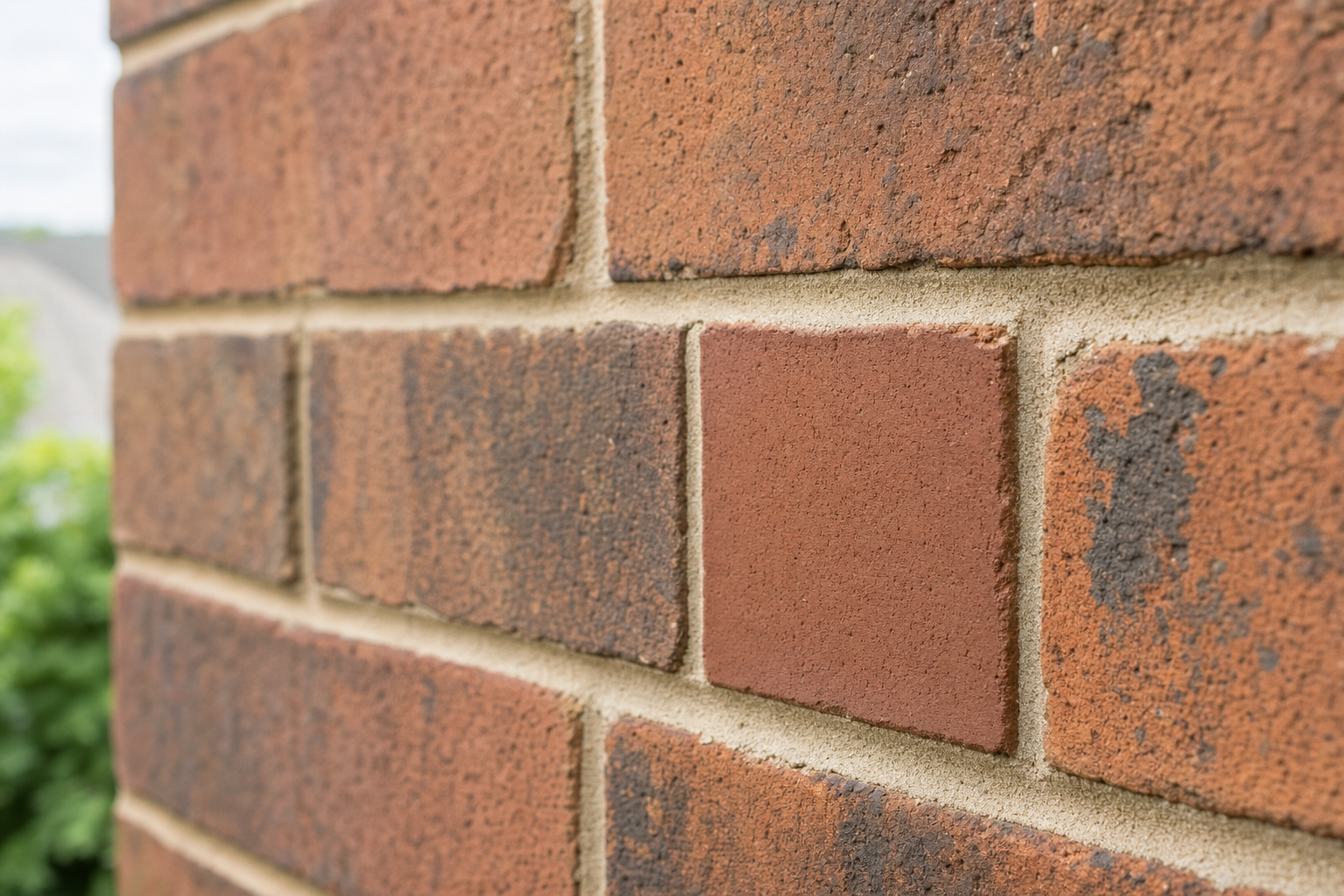
A sound repair should not look like an afterthought
The practical side matters just as much as the obvious damage. We think about how the repair ties back into the existing wall, how replacement materials will sit, and how the finished area will cope with rain and seasonal movement. A repair from Brookes Brick and Point Ltd is planned so the wall works as a whole again rather than ending up with one patch that looks new and another that is waiting to fail. We keep you informed as we go, explain the sensible level of repair, and give a clear free quote before any work begins.
Frequently asked questions
Can we repair just the damaged section of brickwork?
Often, yes. If the surrounding masonry is sound, local brickwork repairs can deal with the affected area without unnecessary rebuilding elsewhere. We assess how far the deterioration has spread and explain when a smaller repair is sensible and when wider work would be the safer option.
Will the repaired area match the rest of the wall?
We always aim for a sympathetic result by considering brick type, bond pattern, mortar and the age of the surrounding wall. Some differences can remain where old materials have weathered over time, but the goal is a repair that sits naturally rather than standing out sharply.
What causes bricks to flake or break at the face?
Frost, long-term moisture, failed mortar, impact damage and general weathering can all play a part. Once the face of a brick breaks down, the surrounding area can become more exposed. Sorting the local cause as well as the visible damage helps the repair hold up better over time.