

Why crack stitching suits many local failures
Keeps more of the wall
Suitable cracks can often be stabilised without taking down large sections of masonry.
Strength across the damage
Helical bars help spread tension through the affected area instead of leaving it isolated.
Tidy made-good joints
After the bars are fixed in place, the joints are restored to leave a cleaner finish.
Some cracked walls can be stabilised without full rebuilding
Crack stitching is used on suitable masonry cracks to help stabilise the damaged section by spreading tensile forces more effectively across the wall. It is not the answer to every crack, which is why the first job is working out the direction, width and likely cause of the movement before deciding if stitching is appropriate. Where it is suitable, the repair can reduce the need for more extensive rebuilding and preserve more of the original masonry. We cut slots into selected bed joints, insert stainless steel helical bars in a specialist grout, and then make good the joints. With Brookes Brick and Point Ltd, the point of the repair is not to disguise the crack, but to strengthen the affected area in a controlled and practical way.
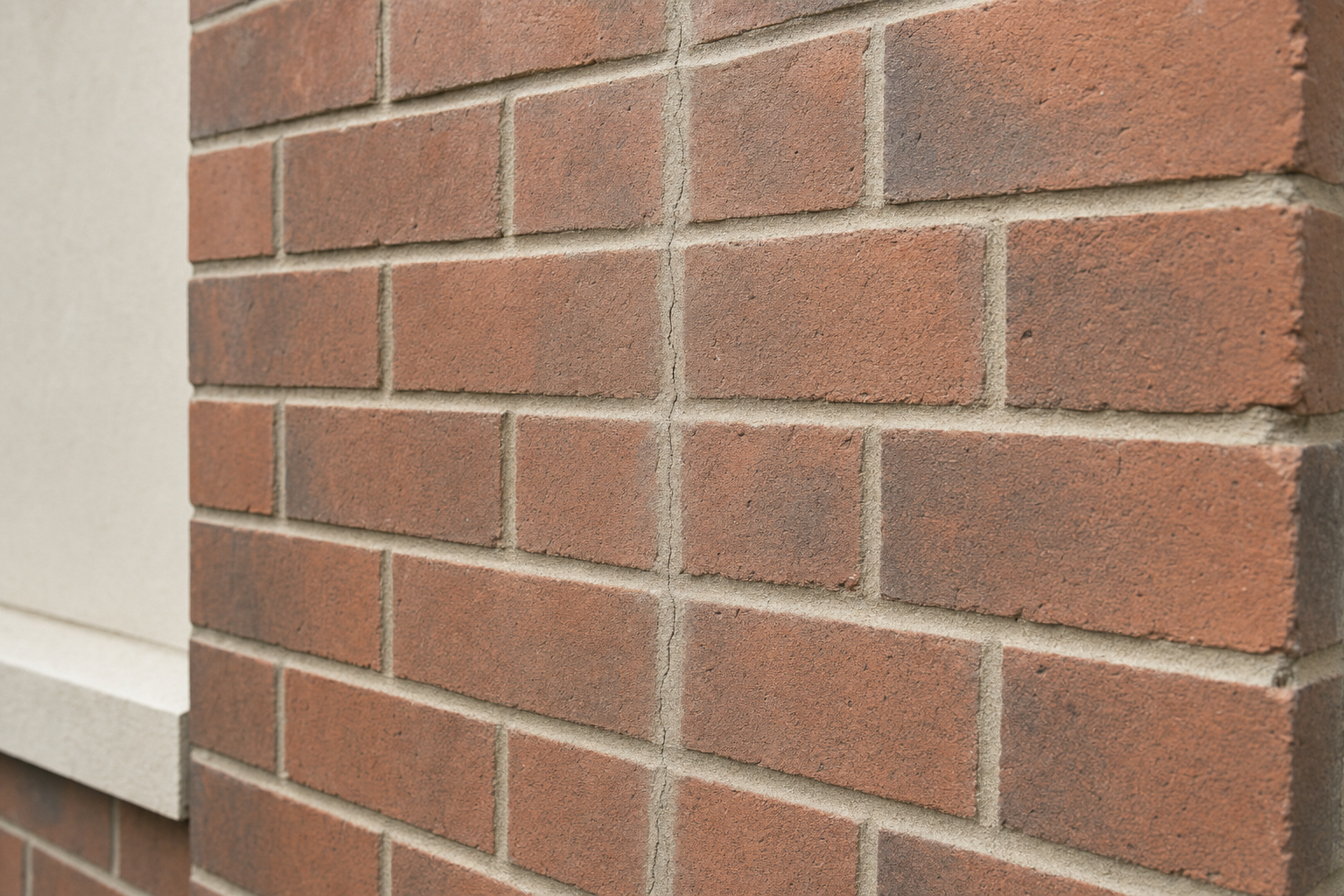
A local repair still needs proper assessment
The appeal of crack stitching is that it can stay focused on the damaged area, but that only works when the wall and the crack pattern suit the method. We look at what the crack is doing, how the masonry is built and whether other defects are affecting the same area. A crack stitching repair from Brookes Brick and Point Ltd is carried out with tidy making-good work so the joints are restored after the bars are installed. You keep more of the existing wall, avoid unnecessary rebuilding where the method is appropriate, and still get a repair that addresses the problem with more substance than surface filler ever could.
Frequently asked questions
Is crack stitching right for every crack in brickwork?
No. The method depends on the direction, width and likely cause of the crack, as well as the way the wall is built. We assess the masonry first because some cracks suit stitching well, while others may call for rebuilding, reinforcement or a different form of repair altogether.
Will crack stitching stop us needing major rebuilding?
In suitable cases it can reduce the need for extensive rebuilding because it stabilises the affected area while keeping more of the existing wall in place. That said, it is only a good option if the surrounding masonry is sound enough and the crack pattern supports this type of repair.
Will the repaired area still be obvious afterwards?
The slots are cut into the bed joints and made good after the bars are installed, so the finished repair is usually much tidier than a patched face treatment. Some evidence of repair can remain depending on the wall, but the aim is a sound local fix with a neat finished appearance.